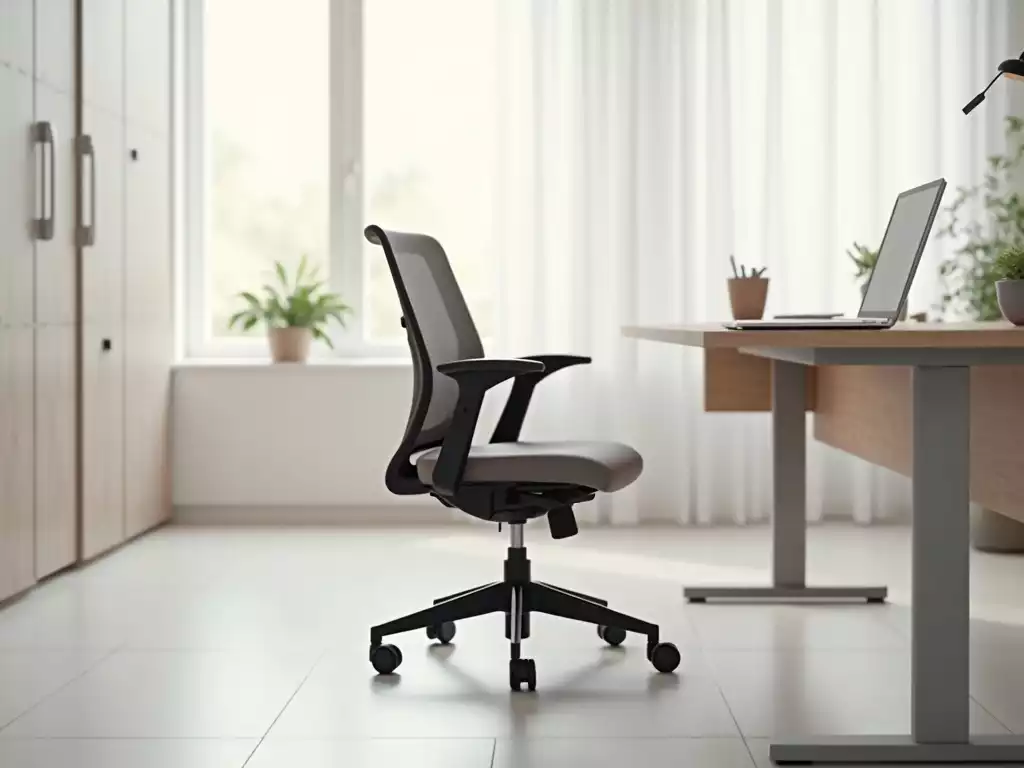
Did you know that the right office chair can enhance your productivity by up to 25%? For those who are shorter in stature, this choice is even more crucial to ensure comfort and support throughout the workday.
What You Will Learn
- The importance of ergonomic office chairs specifically designed for shorter individuals.
- How proper chair support can prevent long-term health issues and improve overall comfort.
- Common challenges faced by short individuals in traditional office chairs, like poor lumbar support.
- Essential ergonomic features to look for in an office chair, such as adjustable seat height and depth.
- The impact of a well-chosen chair on productivity and focus during work hours.
Key Takeaways for Office Chairs for Short People
Understanding the essential ergonomic features and common challenges unique to shorter individuals when selecting an office chair.
Common Challenges
- Difficulty reaching desk height
- Insufficient lumbar support
- Inadequate seat depth
- Feet dangling
Essential Ergonomic Features
- Adjustable seat height
- Proper seat depth
- Lumbar support
- Adjustable armrests
- Quality materials
Understanding the Importance of Choosing the Right Office Chair for Short People
When it comes to creating a productive workspace, the office chair can make all the difference—especially for those of us who are shorter in stature. Choosing the right chair is crucial for comfort, health, and productivity.
An ergonomic office chair designed for short people not only supports our bodies better but also helps us maintain focus throughout the day. Let me share why this matters!
Investing in an ergonomic chair can significantly reduce discomfort and prevent long-term health issues.
For short individuals, this means having a chair that aligns with their unique body dimensions and provides proper support, allowing them to work comfortably for extended periods.
The importance of proper ergonomic seating for health and well-being is widely recognized, as highlighted by research on musculoskeletal health in office workers.
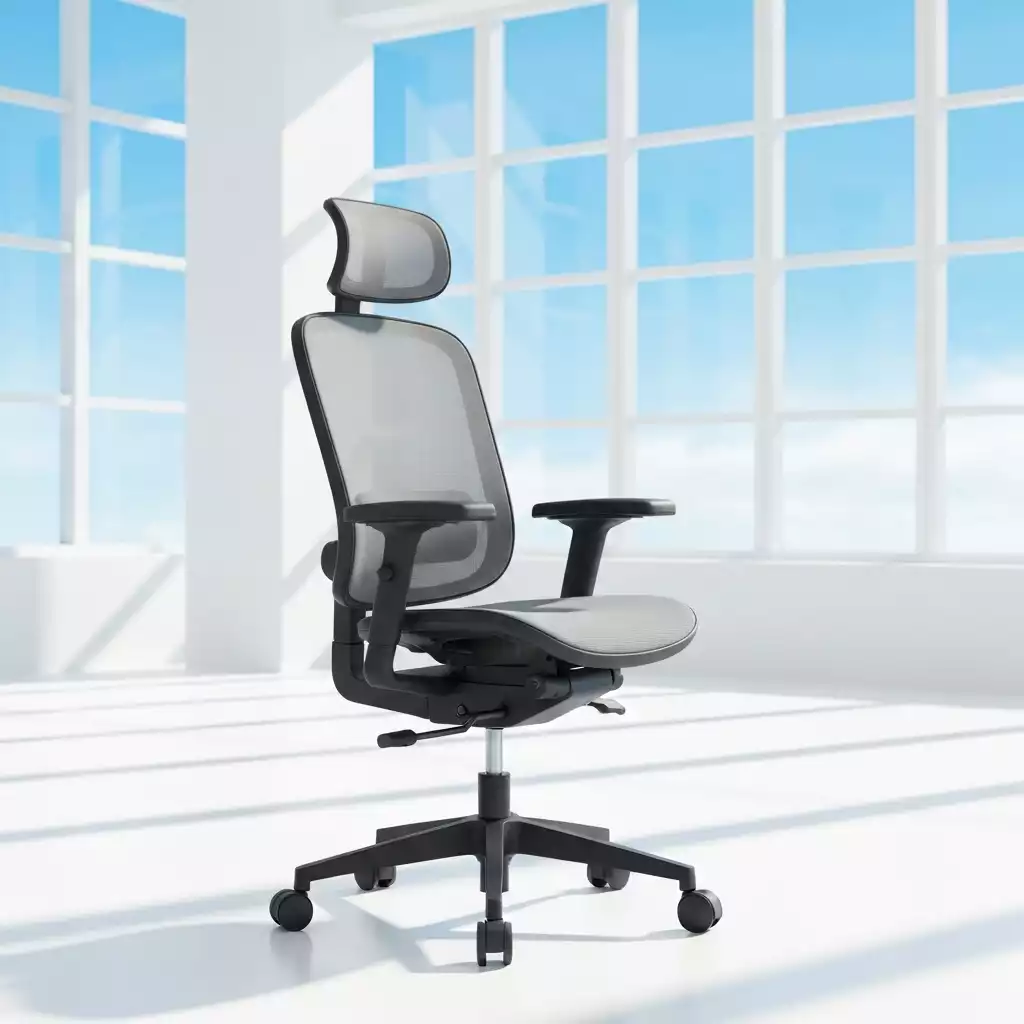
Why Ergonomics Matter for Short Stature
Many people may not realize the importance of ergonomics specifically tailored for shorter individuals. If a chair doesn’t fit well, it can lead to problems like back pain, poor posture, and even decreased job performance.
Chairs designed with ergonomics in mind ensure that every user, regardless of height, has the best chance to thrive in their workspace.
- Reduces the risk of musculoskeletal disorders
- Improves blood flow and circulation
- Enhances focus and productivity
Taking the time to select an ergonomic chair that fits your height can have a lasting positive impact on your work experience. It’s all about ensuring comfort and supporting your body’s natural alignment!
For more detailed information on ergonomic considerations for office chairs, you can refer to resources like the Canadian Centre for Occupational Health and Safety.
Common Challenges Faced by Short Individuals in Traditional Office Chairs
If you’re short, you’ve probably faced some challenges in using standard office chairs. Many of these chairs are designed with an average height in mind, which can lead to improper support and discomfort. For instance, if your feet dangle without touching the ground, it can cause strain on your back and legs.
- Difficulty reaching desk height
- Insufficient lumbar support
- Inadequate seat depth for comfort
These issues can make even the simplest tasks feel like a struggle. By understanding these common challenges, we can find solutions that allow shorter individuals to work comfortably and efficiently.
Essential Ergonomic Features in Office Chairs for Short People
Choosing an office chair with the right ergonomic features is essential for enhancing comfort and productivity. Let’s dive into some key features that specifically benefit short users!
Pro Tip
When selecting an office chair, look for models that offer a seat depth adjustment. This feature allows you to customize the chair to fit your leg length perfectly, providing better support and preventing discomfort during long hours of work.
Frequently Asked Questions (FAQs)
Why is choosing an ergonomic office chair important for shorter individuals?
Choosing an ergonomic office chair is crucial for shorter individuals to ensure proper body alignment, reduce discomfort, prevent long-term health issues like back pain, and improve overall productivity.
Standard chairs are often not designed for shorter statures, leading to inadequate support.
What common challenges do short people face with traditional office chairs?
Short individuals often experience difficulty reaching desk height comfortably, insufficient lumbar support because the chair’s curve doesn’t align with their back, inadequate seat depth which leaves their feet dangling, and general discomfort due to the chair not fitting their body dimensions.
What are the essential ergonomic features to look for in an office chair for someone short?
Key features include adjustable seat height (to allow feet to rest flat on the floor), proper seat depth (to prevent pressure behind the knees), adjustable lumbar support, adjustable armrests (to support shoulders and arms), and quality materials for durability and comfort.
How does an ergonomic chair impact productivity and focus?
An ergonomic chair designed for individual body dimensions reduces physical discomfort and strain. This allows users to maintain better posture and focus on their tasks without distraction from pain or poor positioning, leading to enhanced productivity and concentration.
Can poor chair support lead to long-term health issues?
Yes, inadequate chair support can significantly contribute to long-term health issues. These include chronic back pain, neck strain, musculoskeletal disorders, poor circulation, and fatigue, all of which can negatively impact overall health and well-being over time.
Summarizing the Key Takeaways for Office Chairs for Short People
In our journey through the world of ergonomic office chairs, we’ve uncovered some vital insights tailored specifically for shorter individuals. First, we highlighted the significance of ergonomic designs, focusing on how they positively impact health and productivity. Investing in a chair that fits your stature is crucial for maintaining comfort during long work hours.
We also discussed the common challenges faced by short individuals when using traditional office chairs, such as improper support and difficulty reaching the desk height.
These issues can lead to discomfort and can even affect your overall work performance. To combat these problems, selecting a chair that boasts essential ergonomic features is non-negotiable!
Further detailed insights into the comprehensive research on ergonomic office chairs can be found through expert reports, such as those provided by Office Furniture Designs Australia.
- Adjustable seat height for customized fit
- Proper seat depth that accommodates shorter legs
- Lumbar support that follows the natural curve of your back
- Adjustable armrests and footrests for added comfort
- Quality materials that enhance durability and comfort
Each of these features plays a pivotal role in shaping an ideal sitting experience for shorter users. Remember, the right office chair isn’t just a luxury; it’s a necessity for achieving optimal productivity and comfort!
Making an Informed Choice: Encouraging Action for Better Comfort
As we wrap up, I want to encourage you to take a close look at your current office setup. Are you comfortable? Does your chair support your unique needs as a shorter person? Investing in an ergonomic chair designed for individuals of shorter stature can lead to significant improvements in your daily comfort and overall health.
Whether you’re considering adjustments or a complete upgrade, it’s essential to choose wisely. I invite you to share your experiences or any questions you might have in the comments below! Your insights can provide valuable information for others who are navigating the same challenges.
Recap of Key Points
Here is a quick recap of the important points discussed in the article:
- Choosing the right office chair is crucial for comfort, health, and productivity, especially for shorter individuals.
- Ergonomics tailored for short individuals can reduce risks of musculoskeletal disorders and enhance focus.
- Common challenges for short individuals include difficulty reaching desk height, insufficient lumbar support, and inadequate seat depth.
- Key ergonomic features for office chairs include adjustable seat height, proper seat depth, lumbar support, adjustable armrests, and durable materials.
- Investing in an ergonomic chair designed for shorter users is essential for optimal productivity and comfort.