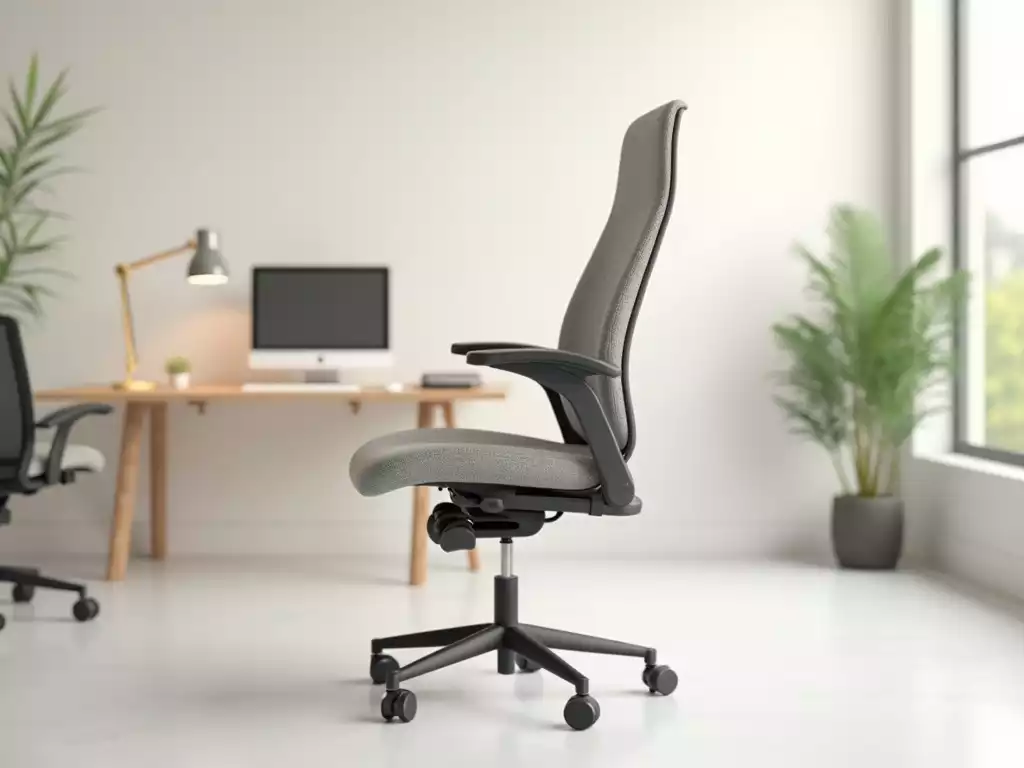
Did you know that the right office chair can significantly reduce your risk of chronic back pain? Understanding the connection between your seating and spinal health is more crucial than ever, especially if you spend long hours at a desk.
What You Will Learn
- Prolonged sitting increases pressure on spinal discs, leading to pain and discomfort.
- Common causes of lower back pain include poor chair ergonomics and inadequate lumbar support.
- Maintaining a neutral spine position while sitting is essential for minimizing back stress.
- Regular maintenance of your office chair can extend its lifespan and improve comfort.
- Key features of ergonomic chairs include adjustable lumbar support, seat depth, and height for optimal comfort.
Key Considerations for Ergonomic Chairs
Understanding the essential features and benefits of ergonomic chairs can significantly impact your back health and productivity. The following visual highlights what to look for and the advantages they offer.
Key Features to Look For
- Adjustable lumbar support
- Seat depth adjustment
- Seat height adjustment
- Adjustable armrests
Health Benefits Overview
- Decreased risk of chronic back pain
- Improved circulation, reduced fatigue
- Enhanced productivity due to comfort
- Better focus and concentration
Chair Lifespan & Durability
A well-made ergonomic office chair typically lasts **7 to 15 years**, depending on usage and maintenance. Investing in quality materials and proper care significantly extends its lifespan.
Maintenance for Longevity
- Regular cleaning (damp cloth)
- Check wheels/casters for debris
- Periodically adjust settings
- Lubricate moving parts (if needed)
Understanding Lower Back Pain and Its Connection to Office Chairs
Lower back pain is a common issue that many of us face, especially if we spend long hours seated at a desk. Understanding how our office chairs play a role in this problem is crucial. The connection between lower back health and the type of chair you use cannot be underestimated.
In essence, the everyday act of sitting can significantly impact our lower back. If you’ve ever felt discomfort after a long day of work, you know exactly what I mean! It’s vital to recognize the link between our sitting habits and the pain we may experience.
The Impact of Sitting on Lower Back Health
Sitting for extended periods can lead to a variety of health issues, particularly concerning our lower back. When we sit, the pressure on our spinal discs increases, which can cause discomfort and pain over time.
For more in-depth information on how prolonged sitting affects spinal health, you can refer to research on the effects of prolonged sitting on the spine. This is why it’s so important to be mindful of our sitting postures and the chairs we use.
- Increased pressure on the discs in your lower back
- Weakening of core muscles due to inactivity
- Potential for developing chronic pain
Moreover, the way we sit can exacerbate these issues. A chair that lacks proper support can contribute to poor posture, leading to long-term health problems.
Common Causes of Lower Back Pain from Prolonged Sitting
There are several factors that can lead to lower back pain when we sit for too long. A few of the most common causes include:
- Poor ergonomics of the office chair
- Inadequate lumbar support
- Prolonged static posture without breaks
Each of these factors can greatly influence how we feel after a long workday. By addressing them, we can start to relieve some of that discomfort.
How Sitting Posture Affects Lower Back Pain
The way we sit makes a big difference in how our lower back feels. If you tend to slouch or lean forward, you may find yourself in more pain than someone who maintains a proper posture.
Adopting a neutral spine position is essential for minimizing stress on the back.
- Keep your feet flat on the ground
- Ensure your knees are at hip level
- Use a chair that promotes good posture
Remember, small adjustments can lead to significant improvements in comfort and health. It’s all about finding the right position and using a chair that supports your lower back!

Pro Tip
Did you know? Regularly changing your sitting position and taking short breaks every hour can greatly reduce the risk of lower back pain associated with prolonged sitting. Stand up, stretch, or take a brief walk to keep your muscles engaged and promote better circulation!
Maintaining Your Office Chair for Long-Term Comfort and Health
Taking care of your office chair is essential for ensuring that it continues to provide the support you need over time. Regular maintenance not only extends the lifespan of your chair but also helps maintain its ergonomic features that are crucial for lower back health. In this section,
I’ll share some key tips that I’ve found helpful in keeping my chair in optimal condition!
Start by routinely checking for any signs of wear and tear. Look for frayed seams, loose screws, or any adjustments that may have become less effective. This routine inspection can help you catch problems early and keep your chair functioning as designed.
Tips for Proper Care and Maintenance of Ergonomic Chairs
- Regularly clean the chair with a damp cloth to remove dirt and dust.
- Check the wheels and casters for any debris that could hinder movement.
- Adjust the chair settings periodically to ensure optimal comfort.
- Lubricate moving parts if necessary, according to the manufacturer’s recommendations.
These simple actions can make a significant difference in how comfortable your chair is over the long haul. Remember, your chair is an investment in your health and well-being, so it deserves the best care possible!
Understanding Warranty and Durability Considerations
When investing in an ergonomic chair, it’s essential to understand the warranty and durability factors. Most reputable brands offer warranties ranging from several years to a lifetime warranty, indicating their confidence in the product’s quality.
For further reading on the importance of ergonomic design and durability, consider insights from studies on ergonomic interventions in the workplace. Ensure you read the warranty policy to understand what it covers. This can save you from future headaches if issues arise!
Additionally, consider the materials used in the chair’s construction. High-quality materials tend to last longer and require less maintenance, making them a wise investment.
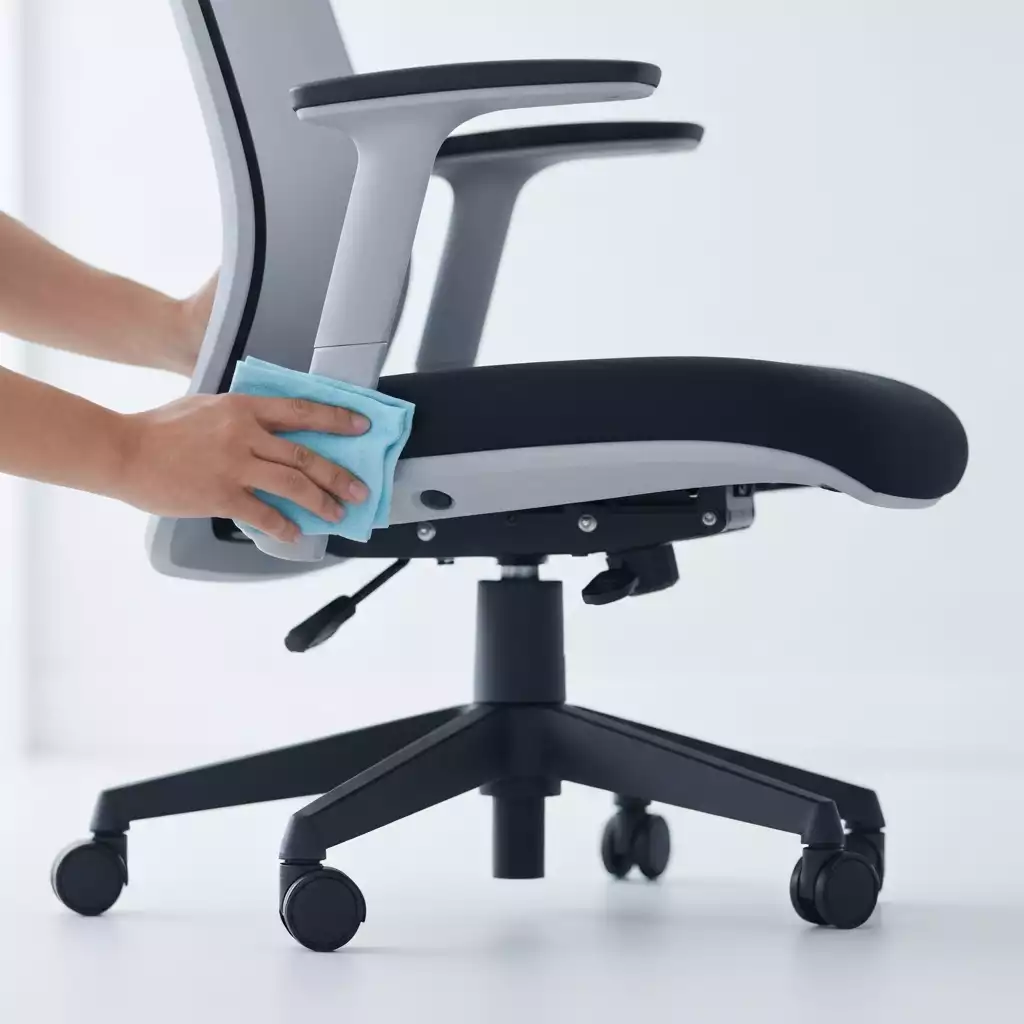
Importance of Chair Maintenance Tips for Longevity
Maintaining your office chair is not just about preserving its appearance but also about ensuring it continues to support your body effectively. Regular maintenance contributes significantly to the chair’s longevity, which ultimately leads to better health outcomes.
Incorporating a few maintenance habits into your routine can enhance your chair’s comfort and functionality.
For instance, adjusting your chair’s height and lumbar support as needed can help you stay comfortable and pain-free while working. Don’t underestimate the power of a well-maintained chair!
Frequently Asked Questions about Office Chairs for Lower Back Pain
What type of office chair is best for preventing lower back pain?
An ergonomic office chair with adjustable features is best. Look for features like adjustable lumbar support, seat depth, seat height, and armrests to ensure optimal customization and support for your body.
How often should I take breaks from sitting to protect my back?
It is recommended to take short breaks every hour. Stand up, stretch, or walk around for a few minutes to relieve pressure on your spine, engage your muscles, and improve circulation.
Can a poorly maintained office chair contribute to back pain?
Yes, absolutely. A chair that isn’t regularly maintained can lose its ergonomic effectiveness. Worn-out components, loose adjustments, or accumulated debris can compromise its support and contribute to poor posture, leading to back pain.
What is the ideal sitting posture to minimize lower back stress?
The ideal sitting posture involves keeping your feet flat on the floor, with your knees at hip level. Maintain a neutral spine position, avoiding slouching or leaning too far forward. Your chair’s lumbar support should align with the natural curve of your lower back.
Is it worth investing in an expensive ergonomic chair?
Investing in a high-quality ergonomic chair is often worthwhile. While more expensive upfront, these chairs typically offer superior adjustability, durable materials, and a longer lifespan (7-15 years), leading to significant long-term health benefits and increased productivity.
What to Look for in an Ergonomic Chair?
When searching for an ergonomic chair, it’s vital to look for specific features that promote comfort and support. Here are some key features I recommend considering:
- Adjustable lumbar support to fit your lower back curve.
- A seat that has a depth adjustment for better thigh support.
- Seat height adjustment to ensure your feet are flat on the floor.
- Armrests that can be adjusted to allow for relaxed shoulders.
Choosing a chair with these features can make a big difference in your daily comfort and reduce the risk of lower back pain.
How Long Will a Good Office Chair Last?
Typically, a well-made ergonomic office chair can last anywhere from 7 to 15 years, depending on usage and maintenance. Proper care and regular upkeep can extend this lifespan significantly. If you’re using your chair daily for long hours, it’s essential to invest in a high-quality chair to ensure it can withstand the wear and tear.
What Are the Health Benefits of Ergonomic Chairs?
Ergonomic chairs are designed to promote better posture and reduce the risk of back pain, which can lead to numerous health benefits, including:
- Decreased risk of chronic back pain.
- Improved circulation and reduced fatigue.
- Enhanced productivity due to increased comfort.
- Better focus and concentration while working.
Investing in an ergonomic chair can significantly impact your overall health and productivity, making it a worthwhile choice!
Recap of Key Points
Here is a quick recap of the important points discussed in the article:
- Lower back pain is often linked to prolonged sitting and the type of office chair used.
- Poor ergonomics, inadequate lumbar support, and static posture can contribute to lower back pain.
- Maintaining proper sitting posture, such as keeping feet flat and knees at hip level, is essential for back health.
- Regular maintenance of your office chair, including cleaning and adjustments, is crucial for long-term comfort.
- Investing in a high-quality ergonomic chair can lead to numerous health benefits and a longer lifespan.
Related guide: For more options, see our roundup of the best office chairs for lower back pain.