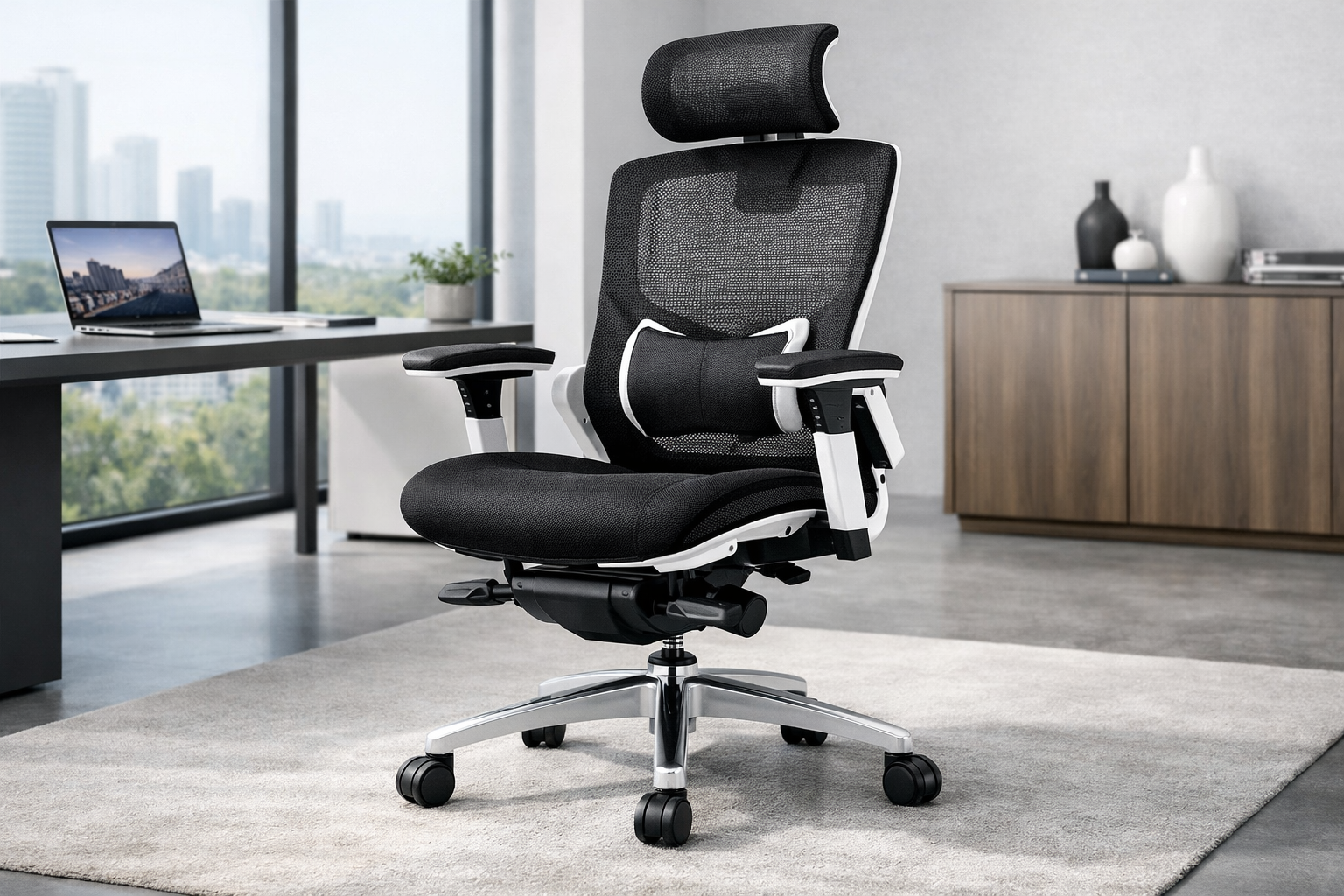

Consider how the environment where you spend your work hours can significantly impact your physical health. The way you set up your workspace might be the culprit behind that nagging back pain. By making mindful adjustments and incorporating self-care practices, you can enhance your comfort and productivity.
What You Will Learn
- Poor posture and prolonged sitting are major contributors to back pain among office workers.
- Ergonomics can greatly reduce the risk of back discomfort by optimizing your workspace setup.
- Stress and repetitive tasks can cause muscle tension, exacerbating back pain.
- Creating a personalized office yoga routine can significantly alleviate back pain and enhance productivity.
- Tracking your progress with tools and apps can help you manage pain and identify beneficial practices.
- Incorporating self-care strategies, like hydration and regular breaks, supports overall well-being and muscle health.
Office Environment Impact on Back Pain
Understanding the common causes and solutions for back pain among office workers.
👤
Why Office Workers Experience Back Pain
Long hours at a desk contribute to discomfort and pain.
- Poor posture is a primary culprit.
- Extended sitting weakens core muscles.
- Lack of movement leads to stiffness.
💻
The Role of Ergonomics in Back Health
Arranging your workspace to fit your body reduces strain.
- Adjust chair height (feet flat).
- Monitor at eye level.
- Use a supportive chair.
💪
Causes of Muscle Tension in the Workplace
Beyond posture, other factors contribute to discomfort.
- High stress levels contract muscles.
- Repetitive tasks cause strain.
- Cool office temperatures stiffen muscles.
🤹
First Steps: Office Yoga Routine
A personalized routine can manage pain and enhance productivity.
- Identify specific poses for back pain.
- Incorporate desk-friendly stretches.
- Include short, consistent sessions.
📊
Tracking Progress for Pain Management
Digital tools and apps assist in monitoring and improving your health.
- Pain Diary Apps to log levels.
- Yoga Tracking Apps for guided sessions.
- Mindfulness Apps for mental well-being.
💆
Implementing Self-Care Strategies
Various strategies contribute to overall wellbeing and back health.
- Stay hydrated for muscle function.
- Take regular breaks (stand, stretch).
- Prioritize quality sleep.
/* Responsive adjustments for smaller screens */
@media (max-width: 768px) {
#office-back-pain-visual section {
flex-basis: 100% !important;
max-width: 100% !important;
}
}
#office-back-pain-visual section:hover {
transform: translateY(-5px);
box-shadow: 0 6px 12px rgba(0, 0, 0, 0.15);
}
Understanding the Impact of Office Environment on Back Pain
Have you ever noticed how the office environment can affect your body, especially your back? Many of us spend countless hours sitting at a desk, often in less-than-ideal positions. This can lead to chronic back pain, which not only affects our productivity but also our overall happiness!
Understanding the impact of your workspace on your physical health is crucial. In this section, we’ll explore why office workers frequently experience back pain, the role of ergonomics, and common causes of muscle tension. Let’s dive in!
Why Office Workers Experience Back Pain
It’s a common scenario: long hours at a desk can lead to discomfort and pain in your back. Many office workers find themselves leaning forward, slouching, or hunched over their keyboards. These positions put undue stress on the spine, leading to pain over time.
- Poor posture is a primary culprit for back pain.
- Extended sitting can weaken core muscles.
- Lack of movement contributes to muscle stiffness and tension.
Not only does this discomfort interfere with your work, but it can also affect your mood and motivation! Recognizing these factors is the first step toward finding relief and improving your work environment. For a deeper dive into the relationship between prolonged sitting and various health issues, you can refer to this study on sitting and health outcomes.
The Role of Ergonomics in Back Health
Ergonomics plays a significant role in mitigating back pain. By arranging your workspace to fit your body, you can greatly reduce strain. Simple adjustments can lead to big improvements in your comfort and health!
- Adjust your chair height so that your feet rest flat on the ground.
- Position your monitor at eye level to avoid neck strain.
- Use a supportive chair that promotes good posture.
Implementing ergonomic practices can make a huge difference over time. It’s not just about comfort; it’s about creating a workspace that supports your health and productivity. For more information on ergonomic solutions, the Journal of the American Medical Association often publishes studies on workplace health, including ergonomics.
Exploring Common Causes of Muscle Tension in the Workplace
Muscle tension isn’t just a result of poor posture; other factors in the workplace contribute to discomfort as well. Stress, repetitive movements, and even the temperature of your office can lead to muscle tightness and pain.
- High stress levels can cause muscles to contract.
- Repetitive tasks can lead to strain in specific areas.
- Cool office temperatures can lead to muscle stiffness.

Understanding these causes helps us take proactive steps in preventing back pain. Whether it’s incorporating brief stretching breaks or adjusting your workspace temperature, small changes can make a big impact on your back health!
Engage with Your Workspace!
Have you ever considered how your workspace might be impacting your back health? Take a moment to reflect on the following questions:
Taking Action: Your First Steps Towards Back Pain Prevention
As we spend hours at our desks, taking action is crucial for our back health! It’s easy to forget that our body needs attention and care. By implementing a few simple changes in our daily routine, we can effectively prevent back pain and improve our overall well-being.
One of the first steps I recommend is creating a personalized office yoga routine. This tailored practice not only helps in managing back pain but also enhances productivity. With a focus on your specific needs, you can choose poses that resonate with your body, making yoga a more enjoyable and sustainable practice.
Creating a Personalized Office Yoga Routine
Developing a personalized yoga routine can be a game-changer. Start by assessing your daily schedule and identifying the best times to practice. This could be during a lunch break or even a few minutes before starting your workday. Here’s a simple checklist to help you design your routine:
- Identify specific poses that target your back pain.
- Incorporate stretches that can be done at your desk.
- Include short sessions throughout the day for maximum benefit.
- Set reminders to practice consistently.
By setting aside just a few minutes each day for your personalized routine, you’ll be surprised at how much relief you can feel in your back. Remember, consistency is key! Research from the Cleveland Clinic highlights the value of synchronous yoga for treating chronic low back pain, showing how effective regular practice can be.
Tracking Progress: Tools and Apps for Pain Management

Keeping track of your progress is vital for understanding how your efforts are paying off. In today’s digital age, there are plenty of tools and apps designed to assist you in managing your back pain. I’ve found a few particularly helpful:
- Pain Diary Apps: These allow you to log your pain levels and activities.
- Yoga Tracking Apps: Apps like Down Dog help you follow along with guided sessions.
- Mindfulness Apps: Tools like Headspace can support your mental well-being.
By regularly tracking your progress, you’ll not only stay motivated, but you’ll also notice patterns that can help you adjust your routine for better results!
Implementing Self-Care Strategies for Overall Wellbeing
Self-care goes beyond yoga and movement; it encompasses various strategies that can significantly improve your overall health. Implementing these strategies can make a big difference in how you feel each day. Here are some self-care practices to consider:
- Stay hydrated to keep your muscles functioning properly.
- Take regular breaks to stand, stretch, and walk around.
- Maintain a balanced diet rich in nutrients that support muscle health.
- Prioritize quality sleep for recovery and rejuvenation.
Incorporating these self-care strategies into your daily routine can enhance your experience of office yoga and help create a more supportive environment for your back health!
Frequently Asked Questions About Office Back Pain and Yoga
- Q: Why do office workers commonly experience back pain?
- A: Office workers often experience back pain due to prolonged sitting, poor posture, weakened core muscles from lack of movement, and muscle stiffness.
- Q: How does ergonomics help in preventing back pain?
- A: Ergonomics helps by optimizing your workspace setup to reduce strain, including adjusting chair height so feet are flat on the ground, positioning the monitor at eye level, and using a supportive chair.
- Q: What are some non-posture-related causes of muscle tension in the workplace?
- A: Beyond posture, other factors contributing to muscle tension include high stress levels, repetitive tasks that cause strain, and cool office temperatures that stiffen muscles.
- Q: How can I create a personalized office yoga routine?
- A: To create a personalized routine, identify specific yoga poses for your back pain, incorporate desk-friendly stretches, include short and consistent sessions throughout the day, and set reminders for regular practice.
- Q: What tools can help me track my progress in managing back pain?
- A: Useful tools include pain diary apps to log pain levels, yoga tracking apps for guided sessions, and mindfulness apps to support mental well-being.
- Q: What self-care strategies can complement office yoga for overall well-being?
- A: Complementary self-care strategies include staying hydrated, taking regular breaks to stand and stretch, maintaining a balanced diet, and prioritizing quality sleep.
Final Thoughts on Office Yoga for Back Pain Prevention
As we wrap up our discussion on office yoga, I encourage you to take those first steps toward integrating yoga into your daily life! Finding time for yoga, even in small doses, can lead to significant improvements in your back health and overall well-being.
Sharing your journey with others can also provide motivation and support. Join communities—online or in person—where you can discuss your experiences and learn from others. It’s amazing how much we can grow together!
Recap of Key Points
Here is a quick recap of the important points discussed in the article:
- Poor posture and extended sitting are primary causes of back pain in office workers.
- Implementing ergonomic practices, such as adjusting chair height and monitor position, can significantly reduce strain.
- Common causes of muscle tension include stress, repetitive movements, and low office temperatures.
- Creating a personalized office yoga routine can help manage back pain and enhance productivity.
- Tracking progress with tools and apps can provide motivation and insights into pain management.
- Incorporating self-care strategies, such as hydration and regular breaks, supports back health and overall well-being.