
Good Posture: A Foundation for Health and Productivity at Work
Good posture is more than just standing up straight; it’s a crucial aspect of our daily lives, especially when it comes to work. How can something so fundamental affect our health and productivity? Understanding the significance of maintaining a healthy posture can truly transform our work experience!
What You Will Learn
- Poor posture can lead to chronic pain and decreased productivity.
- Common issues like slouching and rounded shoulders can hinder your comfort at work.
- Ergonomic furniture, such as adjustable desks and supportive chairs, can improve your posture.
- Simple exercises can be integrated into your work routine to enhance comfort and reduce tension.
- Joining wellness communities can provide support and resources for better posture practices.
- Prioritizing good posture can lead to improved focus, confidence, and overall well-being.
Impact of Poor Posture at Work
Poor desk posture can lead to a range of health issues, affecting everything from physical comfort to overall well-being. Understanding these impacts is the first step toward a healthier work life.
😥 Physical Ailments
- • Neck & Back Pain
- • Rounded Shoulders
- • Forward Head Posture
📉 Decreased Well-being
- • Reduced Lung Capacity
- • Lowered Productivity
- • Long-term Health Problems
🔨 Ergonomic Solutions
- • Ergonomic Chairs
- • Adjustable Desks
- • Monitor Stands
🤸 Daily Exercises
- • Scapular Wall-Slides
- • Y Raises & Planks
- • Hip Flexor Stretches
Understanding the Importance of Good Posture at Work
Good posture is more than just standing up straight; it’s a crucial aspect of our daily lives, especially when it comes to work. Many of us spend hours at a desk, which can lead to a variety of uncomfortable issues if we aren’t mindful of our posture. Understanding the significance of maintaining a healthy posture can truly transform our work experience!
Research shows that poor posture can lead to chronic pain, decreased productivity, and even long-term health problems. For instance, a study published in the Journal of Clinical Neuroscience highlights the significant impact of posture on spinal health. By prioritizing good posture, we can avoid these negative effects and enhance our overall well-being. Let’s break down how poor desk posture can impact our health.

How Poor Desk Posture Affects Your Health
Poor desk posture has a direct impact on our physical health. Slouching or leaning forward can strain the spine and lead to discomfort in our back and neck. Over time, these issues can escalate into more serious conditions, making it essential to recognize the early signs of poor posture.
- Neck Pain: Forward head posture can cause tension in the neck.
- Back Pain: Slumped sitting can lead to chronic lower back pain.
- Reduced Lung Capacity: Poor posture can restrict breathing and reduce oxygen intake.
By being aware of these potential consequences, we can take proactive steps to improve our posture at work. Remember, it’s not just about looking good; it’s about feeling good too!
Common Posture Issues Faced by Office Workers
As office workers, we often face specific posture issues that can hinder our efficiency and comfort. Common problems include slouching, rounded shoulders, and forward head posture. Understanding these issues is the first step toward finding effective solutions to maintain a healthy posture. The University of St. Augustine for Health Sciences provides excellent resources on recognizing and correcting these common posture issues.
- Slouching: Sitting too far back in the chair can lead to a rounded spine.
- Rounded Shoulders: This occurs when we hunch over our keyboards.
- Forward Head Posture: Leaning our heads too far forward can strain the neck.
Recognizing these issues in ourselves is crucial. With a few changes, we can create a more supportive work environment and reduce the risk of physical discomfort.
The Role of Ergonomic Furniture in Preventing Posture Problems
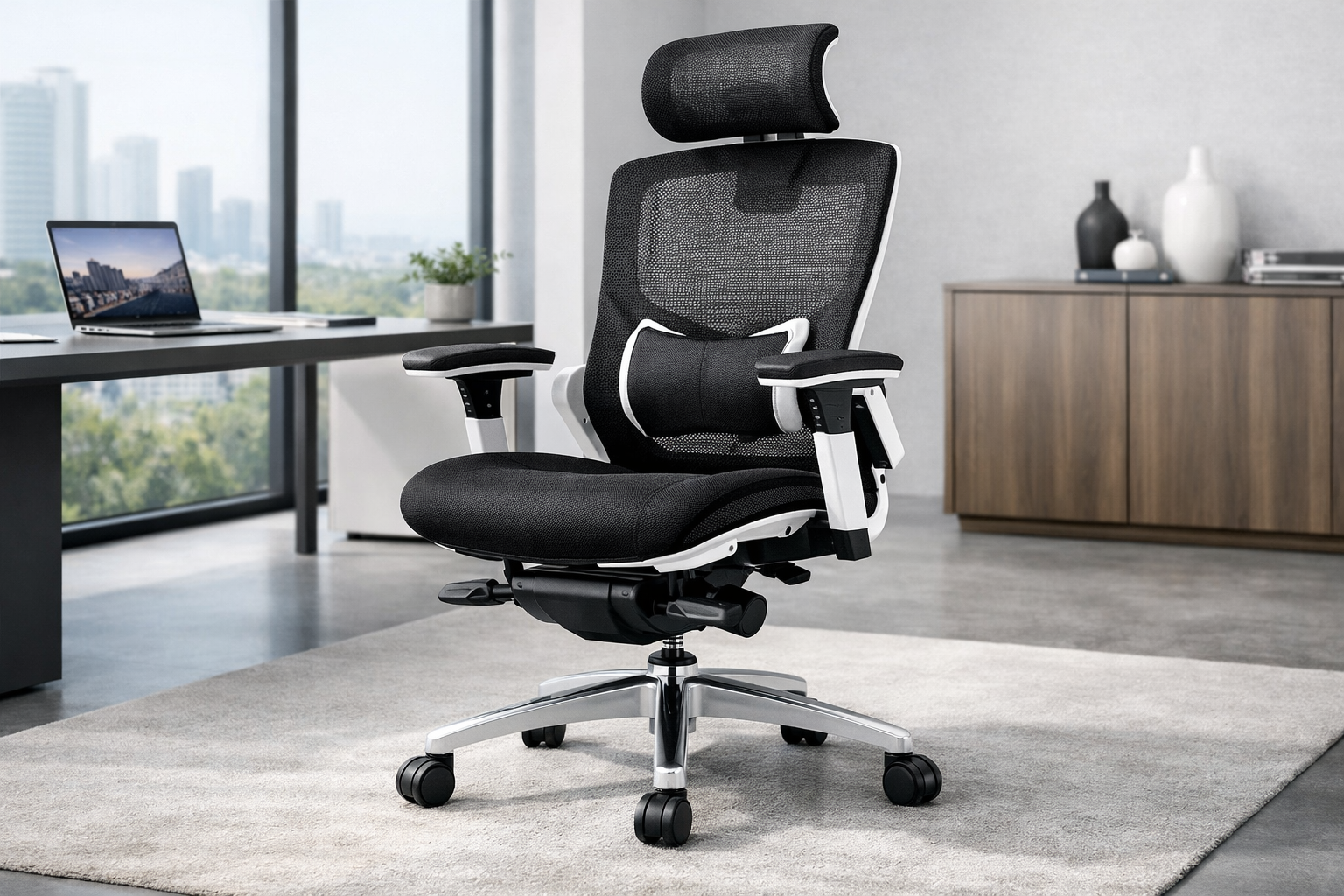
Investing in ergonomic furniture can significantly improve our posture and overall health. Ergonomic chairs and desks are designed specifically to support our bodies in a natural alignment, making it easier to maintain good posture during long hours of work. Research published in PMC often highlights the benefits of ergonomic interventions in reducing work-related musculoskeletal disorders.
- Ergonomic Chairs: Provide lumbar support and promote proper spine alignment.
- Adjustable Desks: Allow for sitting and standing options, reducing strain.
- Monitor Stands: Help position screens at eye level to prevent forward head posture.
Utilizing ergonomic solutions can help mitigate the risks associated with poor posture. Remember, a well-designed workspace not only boosts productivity but also enhances comfort throughout your workday!
Pro Tip
Did you know? Incorporating short breaks into your work routine can significantly enhance your posture and overall well-being. Aim to stand up and stretch every 30 minutes; this simple practice can help reset your alignment and reduce the stiffness that comes from prolonged sitting.
Frequently Asked Questions (FAQs)
Taking Action to Improve Your Posture Today
Improving your posture doesn’t have to be a daunting task! By taking small, consistent steps, you can make a significant difference in your daily comfort and overall health. Here are some effective exercises you can easily integrate into your work routine:
- Scapular Wall-Slides to open up your shoulders
- Y Raises for strengthening your upper back
- Hip Flexor Stretches to relieve tightness from prolonged sitting
- Plank exercises to build core strength
- Shoulder rotations to reduce tension
These exercises can be done in just a few minutes, and they can help you feel more energized and focused throughout your day! The key is to start incorporating them regularly, so they become a natural part of your work routine.

Start Incorporating These Exercises in Your Work Routine
To get started, I recommend setting aside a few minutes each hour to perform one of these exercises. For instance, you could dedicate the first five minutes of each hour to a quick set of scapular wall-slides. Not only will this help improve your posture, but it’ll also give you a refreshing break from your screen.
- Set reminders on your phone or calendar for exercise intervals
- Keep a yoga mat or stretch band at your desk for easy access
- Encourage coworkers to join you for accountability
By making these exercises a fun and collective effort, you can create a supportive environment that motivates everyone to prioritize their posture!
Join the Community for Support and Tips
As you embark on your journey to better posture, consider joining online communities or local groups focused on wellness and ergonomic practices. Platforms like Facebook or LinkedIn often have groups where members share tips, experiences, and encouragement.
- Attend webinars or workshops about posture and ergonomics
- Follow wellness influencers on social media for daily tips
- Engage with posts to ask questions and share your progress
Connecting with others who have similar goals can enhance your commitment and provide additional resources that make improving your posture even more achievable.
Final Thoughts on Office Posture and Health
In prioritizing good posture, you’re not just investing in your physical health, but also your mental well-being and productivity. As the owner of this wellness-centered initiative, I’ve seen firsthand how small changes lead to significant transformations in our daily work lives!
Why Prioritizing Posture Can Transform Your Work Life
Good posture can enhance your focus, reduce fatigue, and even improve your mood. It’s a simple yet powerful way to create a more comfortable and productive workspace. By consciously adjusting your habits, you can set yourself up for long-term success!
- Improved concentration and cognitive function
- Reduced risk of musculoskeletal disorders
- Enhanced confidence and presence in meetings
Making these changes may take time, but the rewards are well worth the effort!
Resources for Continued Learning and Improvement
Consider exploring various resources to deepen your understanding of posture and ergonomics. Books, online courses, and videos can provide valuable insights and techniques to improve your posture at work.
- Books on ergonomic practices and health
- YouTube channels focused on workplace wellness
- Websites offering exercises and tips for better posture
With the right knowledge, you can continually refine your approach to posture and well-being.
Understanding the Health Benefits of Good Posture in the Workplace
Lastly, let’s not forget the myriad of health benefits that come from maintaining good posture. From reducing back pain to improving digestion, the impact is profound! Emphasizing posture in your day-to-day life can lead to lasting health benefits and a more enjoyable work experience.
Recap of Key Points
Here is a quick recap of the important points discussed in the article:
- Good posture is essential for preventing chronic pain and enhancing productivity at work.
- Common posture issues include slouching, rounded shoulders, and forward head posture, which can impact health negatively.
- Investing in ergonomic furniture can significantly improve posture and comfort during work hours.
- Incorporating simple exercises into your routine can help alleviate tension and improve posture.
- Engaging with a community for support can enhance your commitment to maintaining good posture.
- Prioritizing good posture can lead to better focus, reduced fatigue, and increased confidence in professional settings.