Good Chair For Sciatica
Sciatica affects an estimated 10–40% of the global population at some point in their lives, according to research published in the Journal of Orthopaedic & Sports Physical Therapy.
For millions of people who spend six to ten hours a day seated at a desk, the wrong chair can actively worsen symptoms, while the right one can meaningfully reduce pain, improve posture, and support long-term recovery.
Choosing a Good Chair For Sciatica is not a matter of preference alone. It is a clinical and ergonomic decision that directly impacts spinal health, nerve compression, and daily quality of life.
What Is Sciatica? Causes, Symptoms, and Risk Factors
Sciatica is not a standalone diagnosis. It is a symptom, specifically, pain that radiates along the path of the sciatic nerve, which runs from the lower back through the hips, buttocks, and down each leg.
The pain typically affects one side of the body and can range from a mild, persistent ache to a sharp, burning sensation that disrupts sleep, work, and movement.
Common Causes of Sciatica
Several underlying conditions can compress or irritate the sciatic nerve:
- Herniated or bulging discs — The most frequent cause, where disc material presses directly against the nerve root
- Spinal stenosis — A narrowing of the spinal canal that creates pressure on surrounding nerves
- Piriformis syndrome — Spasming of the piriformis muscle in the buttocks, which sits directly over the sciatic nerve
- Degenerative disc disease — Age-related breakdown of spinal discs that reduces cushioning between vertebrae
- Spondylolisthesis — A condition where one vertebra slips forward over another, pinching the nerve
According to the American Academy of Orthopaedic Surgeons, approximately 80% of sciatica cases resolve within six to twelve weeks with conservative treatment, which includes proper seating, physical therapy, and in some cases chiropractic care.
How to Identify Your Type of Sciatica Pain
Not all sciatica presents the same way. Identifying the pattern of pain helps determine the most effective treatment approach and the chair features most likely to provide relief.
Low Back–Dominant Sciatica
Pain concentrated in the lower back that radiates into the leg is typically associated with a herniated disc or spinal stenosis. Sitting for extended periods without lumbar support places additional load on the lumbar discs — up to 40% more pressure than standing, according to biomechanical research by Dr. Nachemson.
Piriformis Syndrome
When pain is localized primarily in the buttocks and radiates down the leg without significant low back involvement, piriformis syndrome may be the underlying cause. Symptoms include:
- Deep, aching pain in one or both buttocks
- Pain that worsens after prolonged sitting
- Numbness or tingling extending into the thigh or calf
- Discomfort when climbing stairs or rising from a seated position
Recognizing the distinction matters because piriformis syndrome responds differently to seating adjustments. A chair with a contoured, pressure-relieving seat pan may provide more benefit than one focused purely on lumbar support.
Why Sitting Makes Sciatica Worse — and How the Right Chair Helps
Prolonged sitting is one of the most significant aggravating factors for sciatica. When seated in a poorly designed chair, the lumbar spine loses its natural inward curve (lordosis), increasing disc pressure and narrowing the space available for nerve roots. Tight hip flexors and compressed gluteal muscles further irritate the sciatic nerve over time.
A good chair for sciatica addresses these problems by:
- Maintaining the lumbar curve — Reducing disc pressure and preventing nerve compression
- Distributing body weight evenly — Minimizing concentrated pressure on the sciatic nerve at the buttocks
- Promoting a neutral pelvis — Keeping the spine in proper alignment throughout the workday
- Allowing dynamic movement — Encouraging micro-adjustments that prevent static muscle fatigue
A 2023 review published in Applied Ergonomics found that workers using ergonomically optimized chairs reported a 32% reduction in lower back pain intensity compared to those using standard office chairs over a 12-week period.
Key Features to Look for in a Good Chair for Sciatica
Not every ergonomic chair is equally effective for sciatica relief. The following features are clinically and ergonomically relevant for individuals managing sciatic nerve pain.
1. Adjustable Lumbar Support
Lumbar support is the single most important feature for sciatica sufferers. The support should be:
- Height-adjustable to align with the natural lumbar curve (typically between L3 and L5)
- Depth-adjustable to provide firm but comfortable inward pressure
- Contoured to match the shape of the lower back rather than applying flat, uniform pressure
Fixed lumbar support that cannot be customized often fails to address individual spinal anatomy, reducing its therapeutic value.
2. Seat Depth and Pan Adjustment
A seat that is too deep forces the pelvis into a posterior tilt, flattening the lumbar curve and increasing disc pressure. Proper seat depth should:
- Leave two to three fingers of space between the back of the knee and the seat edge
- Support the full length of the thigh without cutting into the underside of the knee
- Tilt slightly forward (1–5 degrees) to encourage a neutral pelvic position
3. Seat Cushion Material and Pressure Relief
For individuals with piriformis syndrome or tailbone sensitivity, seat cushion quality is critical. High-density memory foam or multi-layer foam cushions conform to body contours and reduce concentrated pressure on the ischial tuberosities (sit bones) and surrounding soft tissue.
Some chairs incorporate a waterfall seat edge — a downward slope at the front of the seat — which reduces pressure behind the knees and improves circulation during long sitting sessions.
4. Seat Height Adjustability
Feet should rest flat on the floor with knees at approximately 90 degrees. If the seat is too high, the hamstrings stretch and pull on the pelvis, increasing lumbar strain. If too low, hip flexion becomes excessive and compresses the sciatic nerve pathway.
A pneumatic height adjustment range of 16–21 inches accommodates most adults, though taller or shorter individuals should verify compatibility before purchasing.
5. Armrest Positioning
Properly positioned armrests reduce shoulder and neck tension, which can indirectly affect posture and lower back alignment. Armrests should be:
- Height-adjustable to allow relaxed shoulder positioning
- Width-adjustable to avoid forcing the arms outward or inward
- Padded to prevent pressure on the forearms during extended use
6. Recline and Tilt Tension
A chair with a synchronized recline mechanism allows the backrest and seat to move together, maintaining spinal alignment during reclined positions. Reclining to 100–110 degrees has been shown to reduce lumbar disc pressure compared to an upright 90-degree posture. Tilt tension adjustment allows users to customize resistance based on body weight.
Ergonomic Chair Types Best Suited for Sciatica
High-Back Ergonomic Chairs
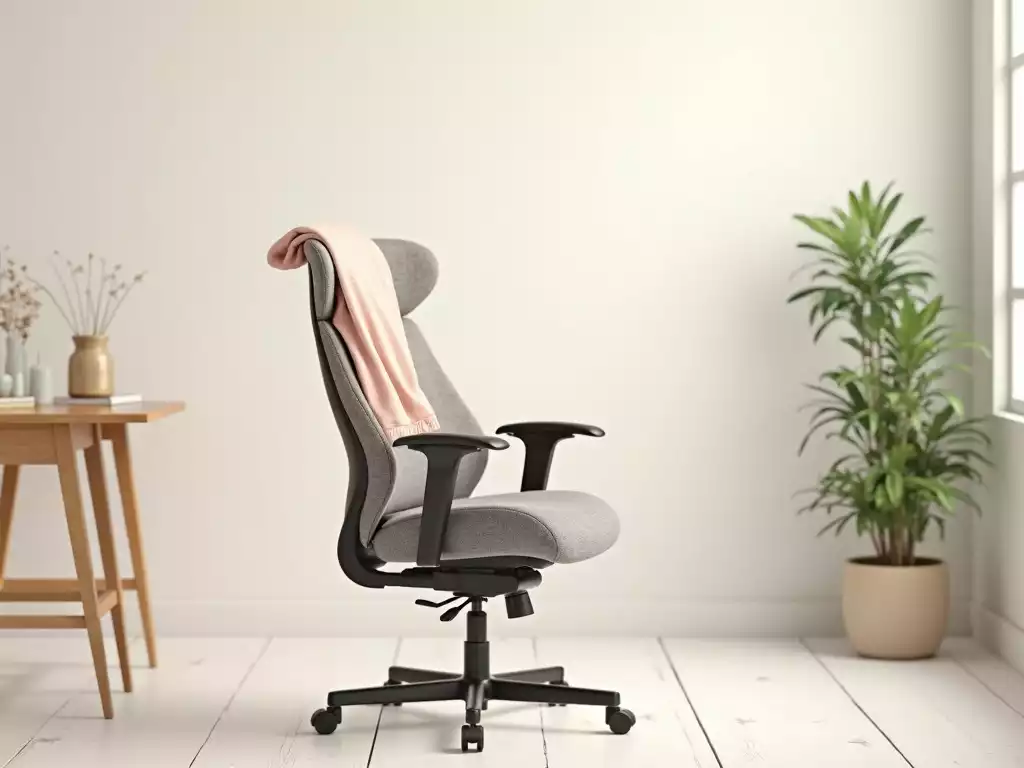
High-back chairs support the entire spine from the lumbar region to the upper back and neck. They are particularly beneficial for individuals who experience sciatica alongside upper back or neck tension. Models from brands such as Herman Miller, Steelcase, and Humanscale are frequently recommended by physical therapists and chiropractors for their precision adjustability.
Kneeling Chairs
Kneeling chairs position the body at a forward tilt, reducing lumbar flexion and encouraging a neutral spine. They can be effective for short-duration use or as a complement to a primary ergonomic chair. However, they are not recommended as a sole seating solution for individuals with knee or shin sensitivity.
Saddle Chairs
Saddle-style chairs mimic a horseback riding position, opening the hip angle and reducing lumbar compression. Research published in Spine found that saddle seats significantly reduced lumbar muscle activity compared to conventional chairs, suggesting reduced spinal loading. These chairs work best at elevated desk heights and may require an adjustment period.
Chairs with Seat Cushion Cutouts
Some ergonomic chairs and aftermarket cushions feature a coccyx cutout — a U-shaped or oval opening at the rear of the seat. This design eliminates direct pressure on the tailbone and surrounding soft tissue, which can be particularly beneficial for individuals whose sciatica is aggravated by piriformis syndrome or coccydynia.
The Role of Chiropractic Care and Chair Selection
Chiropractic care and ergonomic seating are most effective when used together. Spinal adjustments address vertebral misalignment and nerve impingement, while a supportive chair maintains the corrected alignment between appointments.
Chiropractors frequently advise patients to evaluate chairs based on the following criteria:
- Whether the chair supports the specific spinal segment causing nerve compression
- Whether adjustability accommodates changes in posture throughout the treatment process
- Whether the seat material reduces pressure on the sciatic nerve pathway
Patients who integrate ergonomic seating into a broader treatment plan — including stretching, core strengthening, and regular chiropractic or physiotherapy sessions — tend to report faster and more sustained relief than those relying on any single intervention alone.
Additional Strategies to Maximize Sciatica Relief While Seated
A good chair for sciatica provides the foundation, but complementary habits amplify results:
- Stand every 30–45 minutes — Brief standing or walking breaks reduce cumulative disc pressure and improve circulation
- Use a footrest if needed — Supports proper knee and hip angles when desk height cannot be lowered
- Apply heat before sitting — Warming the lower back and gluteal muscles reduces muscle tension around the sciatic nerve
- Perform seated piriformis stretches — Cross one ankle over the opposite knee and gently lean forward to stretch the piriformis muscle
- Position monitors at eye level — Prevents forward head posture, which increases overall spinal loading
What to Look for in User Reviews When Choosing a Chair
User testimonials and verified reviews provide real-world performance data that manufacturer specifications cannot replicate. When evaluating reviews for a good chair for sciatica, prioritize feedback that addresses:
- Specific pain conditions — Reviews from users with confirmed sciatica, herniated discs, or lower back pain are more relevant than general comfort assessments
- Long-term durability — Cushion compression and lumbar support degradation over 12–24 months are common issues that only long-term users can report
- Adjustment usability — Whether lumbar, seat depth, and armrest controls are genuinely easy to use or difficult to fine-tune
- Return and warranty experience — Indicates manufacturer confidence in the product and buyer protection if the chair does not meet individual needs
Key Takeaways
Selecting a Good Chair For Sciatica requires understanding both the condition and the ergonomic principles that address it.
The most effective chairs share a common set of features: adjustable lumbar support, pressure-relieving seat cushions, customizable seat depth and height, and a recline mechanism that supports natural spinal curves.
Combined with professional guidance from a chiropractor or physical therapist, the right ergonomic chair becomes a meaningful part of a comprehensive sciatica management strategy, reducing pain, improving posture, and supporting long-term spinal health throughout the workday.
Related guide: For more options, see our roundup of the best office chairs for back pain.