Improve Posture with Ergonomic Chairs
In a world where many of us spend hours at a desk, the choice of seating can significantly influence our health and productivity. Have you considered how your chair might be affecting your well-being?
What You Will Learn
- Ergonomic chairs are designed to align with your spine’s natural curvature, promoting better posture.
- Adjustability features in ergonomic chairs allow for a custom fit, enhancing comfort and support.
- Maintaining proper posture reduces strain on muscles, enhancing spinal health and overall well-being.
- Regular use of ergonomic chairs can lead to long-term benefits like reduced back pain and lower stress levels.
- Making the switch to ergonomic solutions involves assessing your needs and exploring various options.
- Prioritizing ergonomics in the workplace can improve job satisfaction and workforce productivity.
Benefits of Ergonomic Chair Posture Correction
This visual outlines the key benefits and long-term investments associated with using ergonomic chairs for posture correction and overall well-being.
What an Ergonomic Chair Does
- ✓ Adapts to body
- ✓ Encourages neutral spine
- ✓ Prevents strain
Immediate Benefits
- ✓ Improved Posture
- ✓ Increased Comfort
- ✓ Enhanced Productivity
Long-Term Benefits
- ✓ Reduced Back Pain
- ✓ Enhanced Mobility
- ✓ Lower Stress Levels
Role in Occupational Health
- ✓ Prevents Injuries
- ✓ Enhances Job Satisfaction
- ✓ Improves Performance
Understanding Ergonomic Chair Posture Correction
In today’s fast-paced world, many of us spend countless hours sitting at our desks. This is where the ergonomic chair comes into play. Ergonomic chairs are specifically designed to support healthy posture, making them essential for anyone looking to improve their sitting experience and overall well-being!
But what exactly makes an ergonomic chair different? These chairs are crafted to align with the natural curvature of your spine, providing support where you need it most. By promoting proper posture, they help reduce discomfort and fatigue during long hours of work.
What is an Ergonomic Chair and How Does it Support Posture?
An ergonomic chair is more than just a comfy seat. It’s a chair that adapts to your body and encourages a neutral spine position. This support is vital for preventing strain on your back and neck.
A study published by the National Institutes of Health highlights the importance of ergonomic interventions in reducing musculoskeletal disorders among office workers.
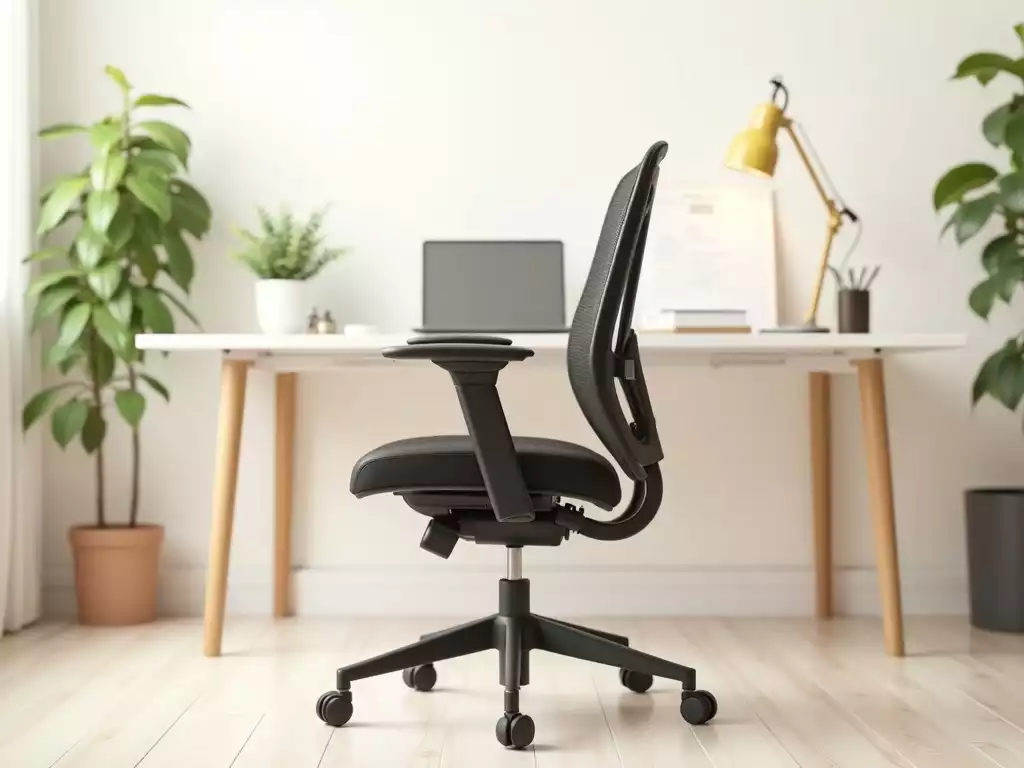
- Adjustability: Many ergonomic chairs come with adjustable features that allow you to customize the fit to your body.
- Lumbar Support: These chairs often include built-in lumbar support to maintain the natural curve of your lower back.
- Seat Height and Width: Ergonomic chairs usually offer adjustable seat height and width for maximum comfort.
By investing in an ergonomic chair, you’re not just buying furniture; you’re investing in your health! This is especially important for those of us who are always seated while working or gaming.
The Science Behind Posture Correction and Spinal Health
Research has shown that maintaining proper posture can significantly improve spinal health. When we slouch or sit improperly, we put extra pressure on our spinal discs, leading to pain and discomfort.
The Occupational Safety and Health Administration (OSHA) provides guidelines on ergonomics to help prevent work-related musculoskeletal disorders, emphasizing the role of proper posture.
Ergonomic chairs are designed to promote a neutral spine position, which can help reduce the risk of developing chronic back issues. Here’s how:
- Alignment: Keeping your spine aligned reduces strain on muscles and ligaments.
- Reduced Pressure: Proper posture helps distribute body weight evenly, reducing pressure on specific points.
- Enhanced Circulation: Good posture promotes better blood flow, which can enhance focus and productivity!
Understanding the science behind posture correction and spinal health is crucial for making informed decisions about your workspace. When we prioritize our posture, we’re not just supporting our bodies; we’re also laying the groundwork for a more productive and engaging work experience.
Frequently Asked Questions (FAQs)
- What are the immediate benefits of using an ergonomic chair?
- Immediate benefits include improved posture, increased comfort, and enhanced productivity due to reduced discomfort.
- What long-term health benefits can I expect from an ergonomic chair?
- Long-term benefits include reduced chronic back pain, enhanced mobility, and lower stress levels thanks to a more comfortable workspace.
- How does an ergonomic chair support posture?
- Ergonomic chairs support posture through features like adjustability, built-in lumbar support, and adjustable seat height/width, which help maintain the natural curvature of your spine.
- Is investing in an ergonomic chair worth the cost?
- Yes, investing in an ergonomic chair is considered a long-term health investment. The value often outweighs the cost due to improvements in physical well-being, reduced pain, and increased productivity.
- What role does ergonomics play in occupational health?
- Ergonomics in the workplace helps prevent injuries, enhances job satisfaction, and improves overall employee performance by providing comfortable and supportive working conditions.
We Want to Hear From You!
What do you think about the impact of ergonomic chairs on your work productivity? Share your thoughts below:
Wrapping Up the Benefits of Ergonomic Chair Posture Correction
As we dive into the realm of ergonomic chair posture correction, it’s essential to recognize the substantial benefits these chairs offer, not just for comfort, but for your overall health and productivity. Investing in an ergonomic chair is not merely a purchase; it’s a commitment to your long-term well-being. Over time, you’ll likely notice significant improvements in your posture, reduced discomfort, and enhanced focus during your work hours!

Here’s a quick overview of what you can expect when incorporating ergonomic chairs into your workspace:
- Improved Posture: A well-designed ergonomic chair encourages correct spinal alignment.
- Increased Comfort: Enhanced cushioning and support can lead to longer, more productive work sessions.
- Health Benefits: Regular use can help reduce the risk of musculoskeletal disorders.
- Enhanced Productivity: Reduced discomfort translates to better concentration and efficiency.
Transitioning to an ergonomic chair is a step towards a healthier work environment. You’ll find that these chairs not only support your body but also create a more engaging workspace where you can thrive!
Long-Term Health Investments: What to Expect Over Time
When you invest in an ergonomic chair, you’re laying the groundwork for long-lasting health benefits. Over time, you can expect to see noticeable changes not just in your posture, but also in your overall physical well-being. For many users, it becomes clear that the value far outweighs the cost.
Consider these long-term benefits when evaluating your investment:
- Reduced Back Pain: Consistently using an ergonomic chair can significantly alleviate chronic back pain.
- Enhanced Mobility: Improved posture often leads to better flexibility and mobility over time.
- Lower Stress Levels: A comfortable workspace reduces physical stress, promoting mental well-being.
As you embrace this change, remember that your body will thank you in the long run. Just like my journey with ergonomic solutions, you might find yourself feeling more energized and ready to tackle the day’s challenges!
Encouraging Action: Making the Switch to Ergonomic Solutions
Making the switch to ergonomic chairs doesn’t have to be daunting. Start by evaluating your current seating situation and identify any discomfort you may experience during long work hours. Taking action is crucial for your health, and I’m excited to guide you through this process!
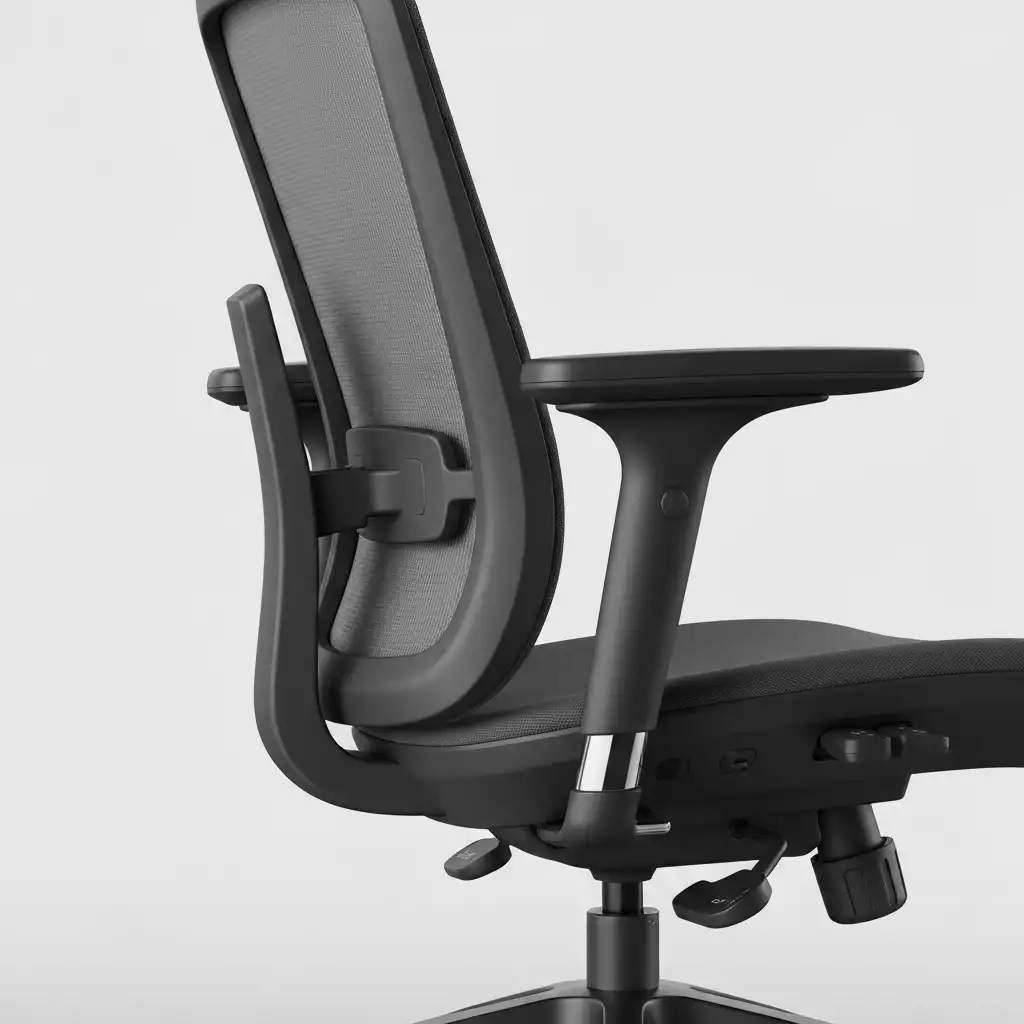
Here are some steps to help you make the transition:
- Assess Your Needs: Consider what features are most important to you, such as lumbar support or adjustability.
- Research Options: Explore different ergonomic chairs and find the one that fits your body and workspace best.
- Trial Period: If possible, try out chairs before purchasing to ensure they meet your comfort standards.
- Make Gradual Adjustments: Transition gradually into your new chair to allow your body time to adjust.
By taking these steps, you’ll not only enhance your workspace but also pave the way for a healthier, more productive lifestyle. It’s worth every moment spent investing in your comfort!
Understanding the Role of Ergonomics in Occupational Health
Ergonomics plays a pivotal role in promoting occupational health, especially in today’s work environments where many of us spend hours seated at a desk.
Prioritizing ergonomic solutions can lead to a more satisfied workforce and significantly reduce health-related issues. The Centers for Disease Control and Prevention (CDC) emphasizes ergonomics as a key factor in preventing work-related injuries and improving worker well-being.
Here are a few key points on the importance of ergonomics in the workplace:
- Prevention of Injuries: Ergonomic chairs are designed to minimize strain and prevent injuries that arise from poor posture.
- Enhanced Job Satisfaction: Comfortable seating can lead to happier employees who feel valued and cared for.
- Improved Performance: Healthy employees are more productive and engaged in their work.
As I’ve seen firsthand, prioritizing ergonomics in the workplace is not just a trend; it’s a necessary practice for ensuring the health and happiness of everyone in the office. Let’s make a commitment to foster a more ergonomic approach to work!
Recap of Key Points
Here is a quick recap of the important points discussed in the article:
- Ergonomic Chairs: Designed to support healthy posture and align with the natural curvature of your spine.
- Benefits of Proper Posture: Reduces discomfort, enhances circulation, and improves overall productivity.
- Long-Term Health Investments: Consistent use can alleviate back pain, enhance mobility, and lower stress levels.
- Making the Switch: Assess needs, research options, and transition gradually to ensure comfort and support.
- Importance of Ergonomics: Prevents injuries, enhances job satisfaction, and improves employee performance in the workplace.